By Dr. Henry Bating
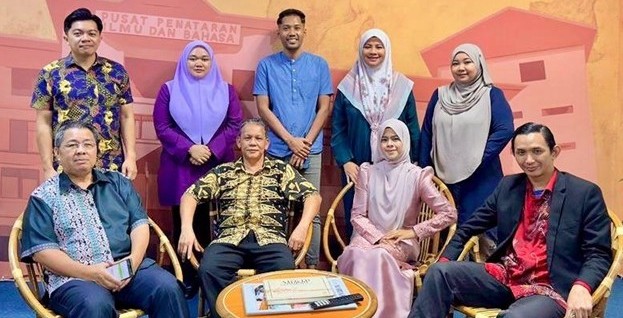
KOTA KINABALU: The Centre for the Promotion of Knowledge and Language Learning (PPIB), Universiti Malaysia Sabah (UMS), successfully concluded the International Postgraduate Colloquium (CiPGRADS) 2025, a two-day virtual academic event featuring 32 postgraduate presenters from diverse fields in the social sciences and humanities.
Dean of PPIB, Professor Datuk Dr. Ismail Ali, described the colloquium as an essential academic platform where postgraduate scholars present research ideas, findings and progress while strengthening their communication and analytical skills.
“CiPGRADS nurtures key academic attributes such as public speaking, critical thinking, self-confidence and constructive academic discourse, skills essential for emerging researchers,” he said.
Professor Ismail added that this year’s theme, “Transitions and Transformations: Discourses in the Social Sciences and Humanities,” aligns with global shifts driven by digitalisation, civilizational change, educational innovation and contemporary societal challenges, all of which require interdisciplinary insight.
He also emphasised that CiPGRADS 2025 serves not only as a venue for knowledge sharing but as a catalyst for building academic networks, expressing gratitude to the organising committee and participants for ensuring a meaningful and productive programme.
Advisor 2 of CiPGRADS 2025, Dr. Shakiratul Hanany Abdul Rahman, thanked all presenters and attendees for their strong commitment, noting the enriching discussions that covered topics ranging from English writing performance and Malaysia-China diplomacy to the rapidly evolving landscape of Generative AI.
She praised the fully student-led organising committee, commending the passion and leadership of PPIB postgraduate students, supported by staff mentors who guided and empowered them throughout the event.
Chairperson of CiPGRADS 2025, Mohd. Asnari Taim, also expressed appreciation to participants, highlighting the colloquium’s role in helping postgraduate researchers refine their ideas, receive constructive feedback and strengthen essential presentation and argumentation skills.
He added that hosting the event online reflects UMS’s commitment to education transformation and internationalisation under the Education 4.0 framework. The colloquium concluded with optimism that the insights gained, networks formed and discussions shared will continue to drive postgraduate research excellence at UMS and beyond.